The Complete Guide to Building FAIR, Interoperable Genomics Software
How to architect FAIR, interoperable genomics software for US clinical labs, covering HL7 FHIR, GA4GH standards, and EHR integration.


How to architect FAIR, interoperable genomics software for US clinical labs, covering HL7 FHIR, GA4GH standards, and EHR integration.

A landscape guide to genomics software companies in the US, cloud platforms, AI interpretation tools, and engineering partners, and how they differ.
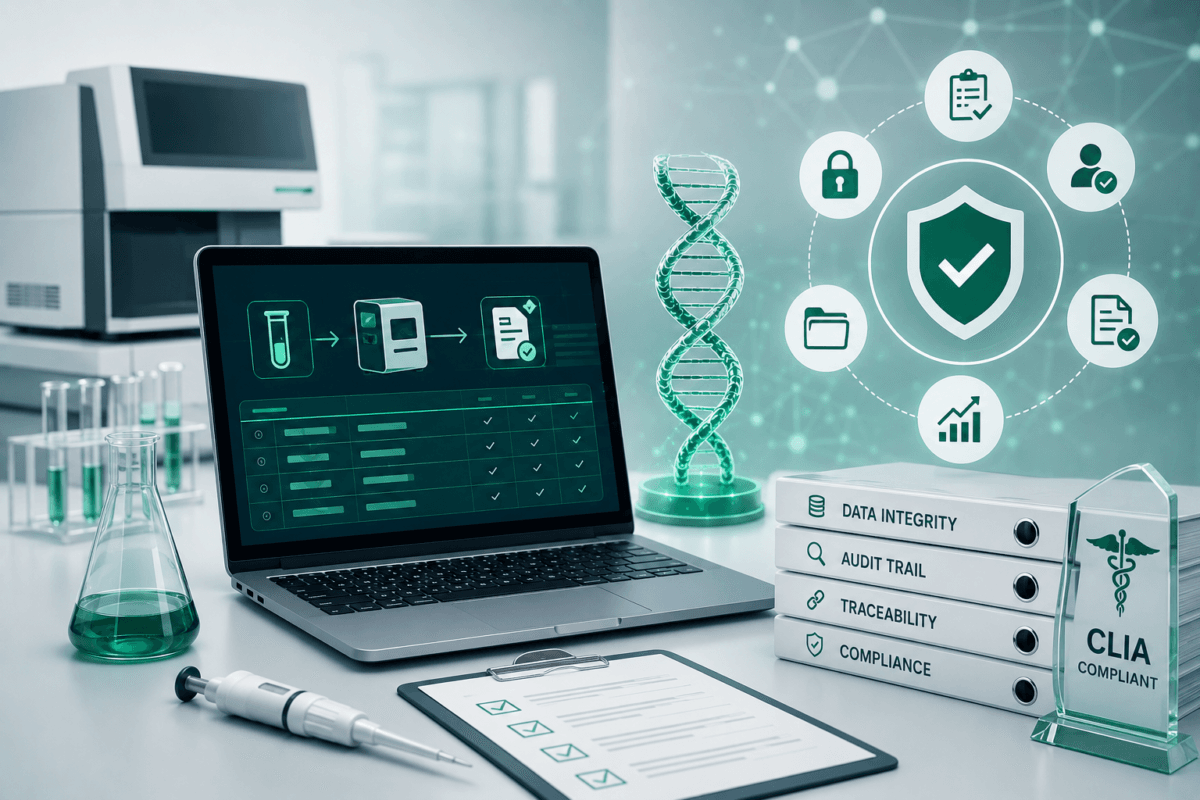
A 12-point CLIA compliance checklist for clinical lab software. What CMS and CAP surveyors actually check, and the questions to ask any development partner before you sign.
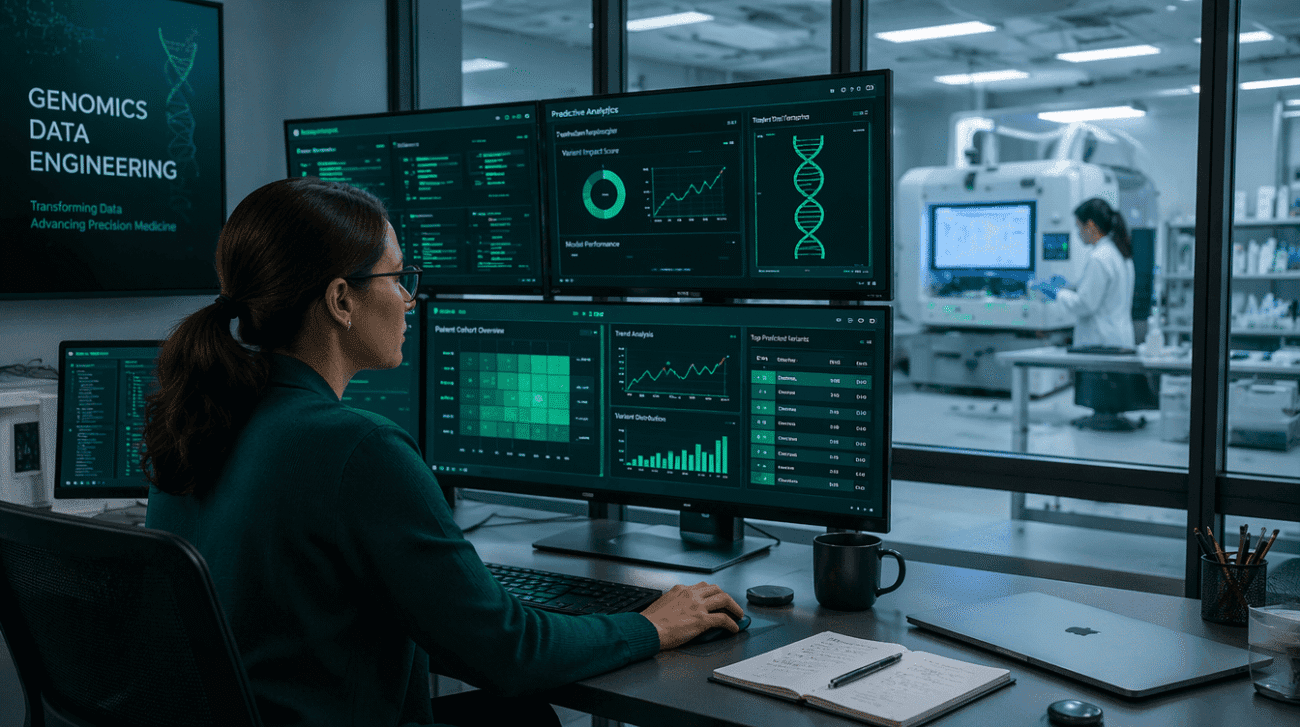
Predictive lab analytics forecasts turnaround time, sample volume, reagents, and denial risk, so genomics labs plan ahead instead of reacting. With sources.

Healthcare software development is not a category of general software development. It is a discipline that requires regulatory knowledge, clinical context, interoperability expertise, and the operational experience of maintaining systems where failures have real consequences.

Digital product development for healthcare is the process of designing, building, validating, and maintaining software products for regulated healthcare environments.
Here’s a scenario every CTO and VP Bioinformatics recognizes: your Illumina NovaSeq is humming, samples are queuing, and somewhere upstream, a legacy shell script is silently hanging at alignment, again.

Most technology vendor evaluations ask a fairly simple set of questions: Can they do the work? Have they done it before? Are they affordable?When the data being engineered contains protected health information (PHI) -genomic sequences, diagnostic test results, patient clinical records -that checklist doesn’t come close to covering what you need to know.

The average cost of a healthcare data breach is $10.93M. Use this 14-point technical due diligence checklist to evaluate any healthcare software development company before you sign.