
Where Clinical Pathology Systems Break Down
Clinical pathology isn't one discipline. It's four or five disciplines sharing one LIS, each with its own rules.
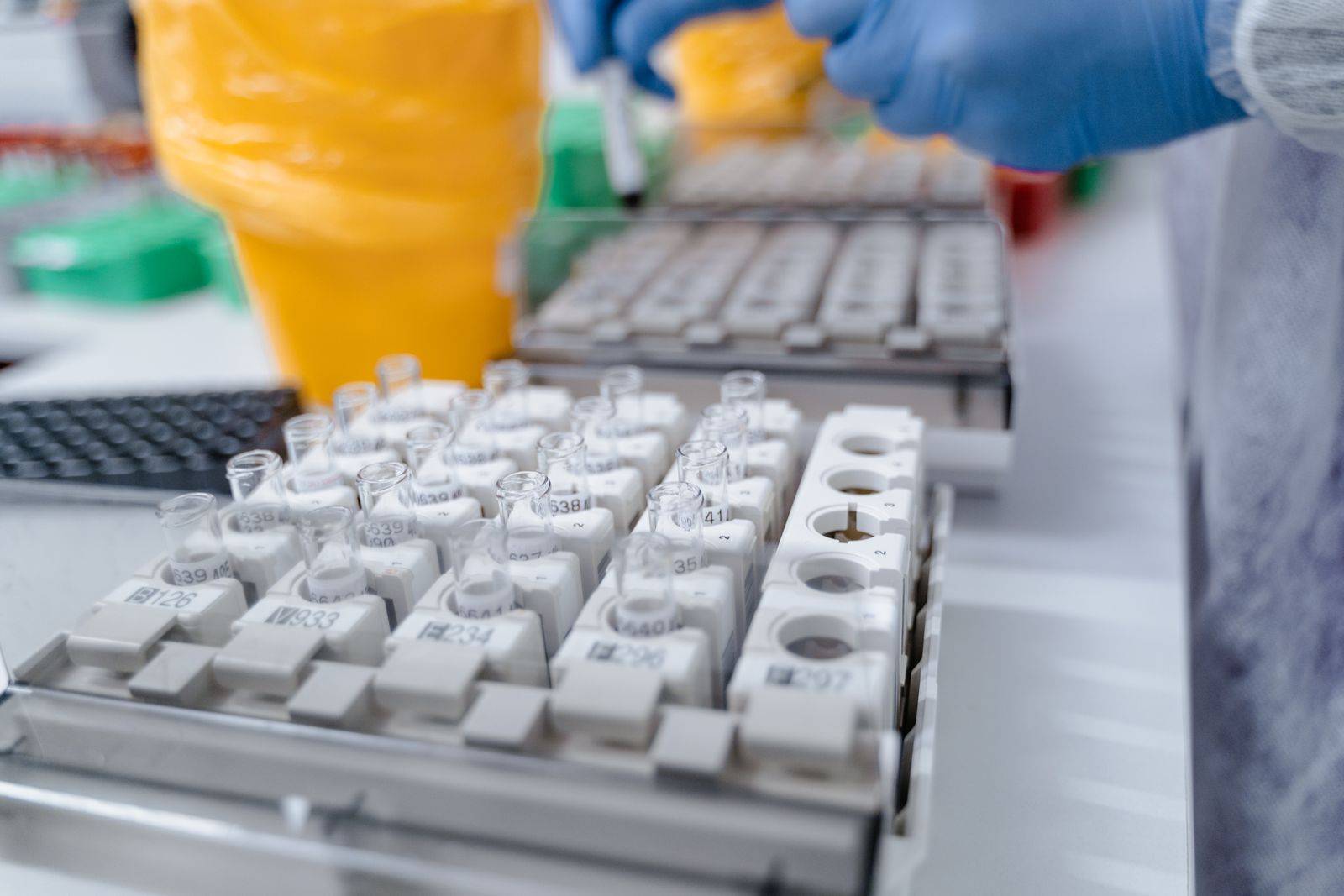
One rule set stretched across five disciplines
Rules tuned for chemistry get applied to hematology too. Results release when they shouldn't, or wait in a review queue when they don't need to.
Analyzer connections nobody documented
Interface mappings set up at installation live in one person's memory. Replacing an analyzer or adding an assay turns into a project.
Delta checks and critical values handled by habit
Without rules running in middleware, catching an implausible result or a true critical value depends on a tech noticing it.
POC results stuck at the bedside
Results stay on the device or in a separate POC data manager, then get re-keyed into the LIS by hand.
What Changes When Each Discipline Gets Its Own Rules
We judge the work by lab metrics, not features shipped. Every engagement starts by measuring these from your own data, so the change after go-live is visible.
| Metric | What we aim to change | How it's measured |
|---|---|---|
| Autoverification rate | More normal results released without manual review, discipline by discipline | Baselined from LIS and middleware logs, re-measured after validation |
| Turnaround time | Shorter receipt-to-result time for routine and STAT work | Median and 90th percentile, per discipline and priority |
| Manual re-entry | POC and instrument results reach the LIS without re-keying | Count of manually entered results per week |
| Critical value handling | Every critical flagged and escalated by rule, not memory | Time from result to documented callback |
| Inspection readiness | Rules, overrides, and validations documented the way inspectors review them | Documentation mapped to the Laboratory General and discipline checklists |
How We Build for Clinical Pathology Labs
Clinical pathology lab software treats each discipline’s rules as its own. No single rule set stretches across all of them.
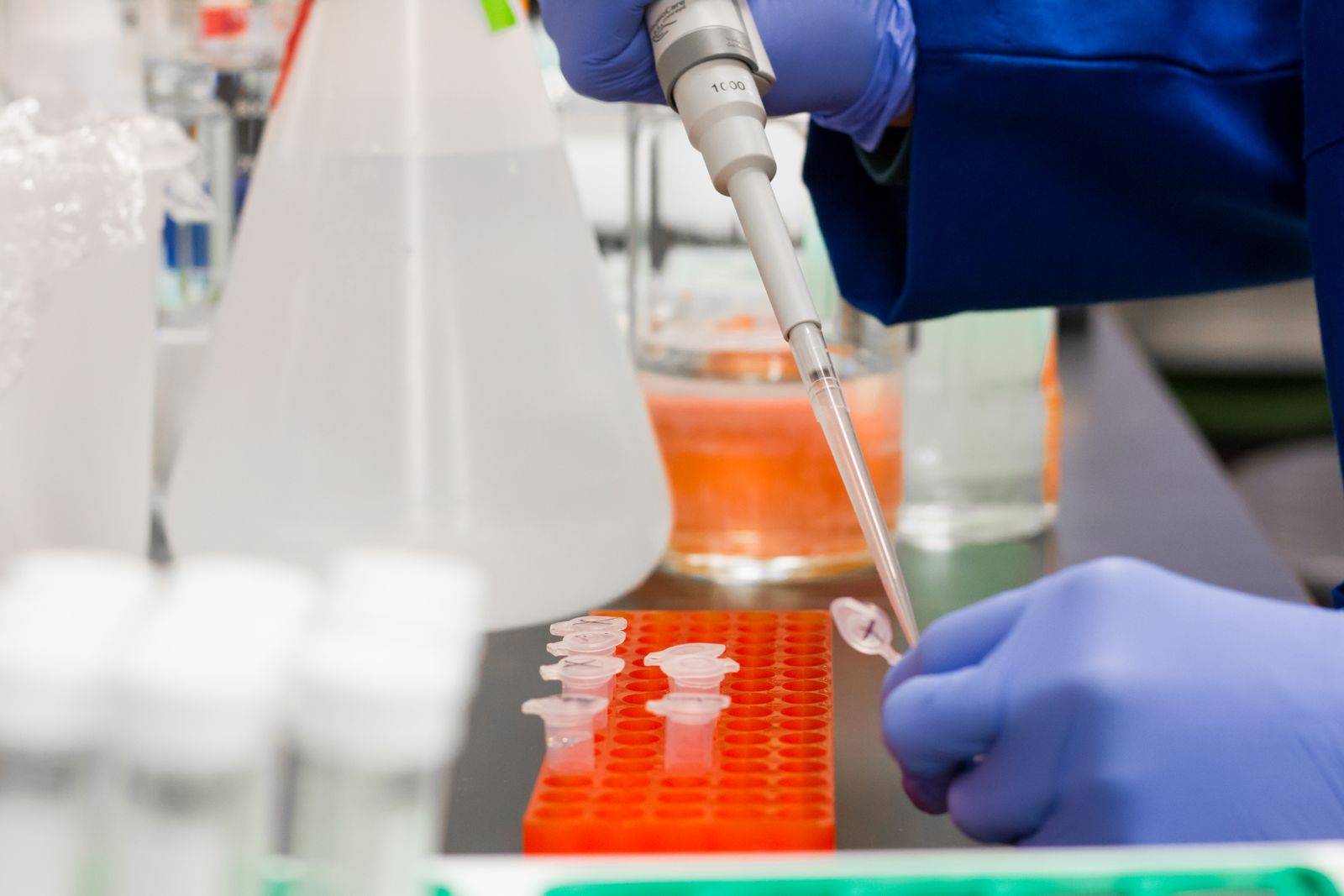
Analyzer and Point-of-Care Interfacing
ASTM and LIS2-A2 interfaces for chemistry, hematology, and immunology analyzers over serial or TCP/IP. POCT1-A connectivity routes point-of-care results into the core LIS, so they don't sit in a separate data manager.
Every mapping is documented, so the next analyzer swap doesn't depend on one person.
Middleware and Discipline-Specific Autoverification
Autoverification, delta checks, and critical-value escalation configured analyte by analyte, then designed, validated, and documented following CLSI AUTO10. We integrate the middleware you already have, or build the layer where none exists.
Microbiology gets its own treatment: interfacing for identification and susceptibility instruments, culture workup status, and cascade reporting of antibiotic results.
LIS and EHR Integration
HL7 v2 orders and results, and FHIR R4 resources where your EHR supports them. Each discipline's order and result types are mapped individually, using the same integration layer as our LIS/LIMS integration work.
CAP/CLIA-Ready Audit Trail
Every rule, override, and manual result change is logged and versioned. Autoverification validation is documented for Laboratory General checklist requirements, and QC records are structured for each discipline's checklist.
An inspector reviews it checklist by checklist, the same way they inspect.
Clinical Pathology LIMS Integration, or a Full LIMS Build
Integration only: connecting existing analyzers, LIS, and EHR without touching anything else is the scope of our dedicated LIS/LIMS integration work.
If you don't have a LIMS, or one that can't handle multiple disciplines' rules no matter how much middleware you layer on top, building a new system scoped to the lab's actual test menu is the more direct path, covered by our custom LIMS development practice.
Which Clinical Pathology Labs This Fits
Where you start depends on how many disciplines are under one roof and how far the current rule set has been stretched.
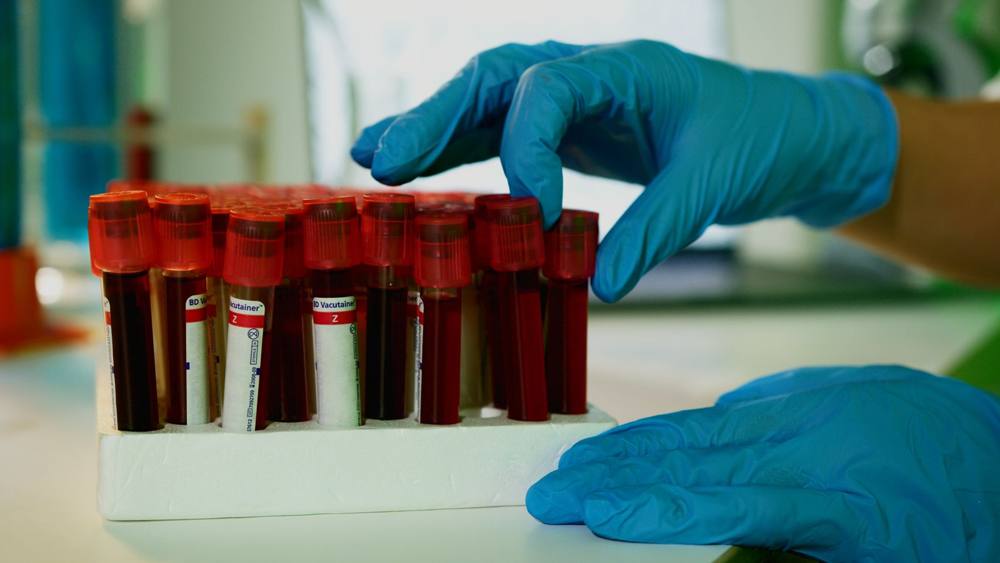
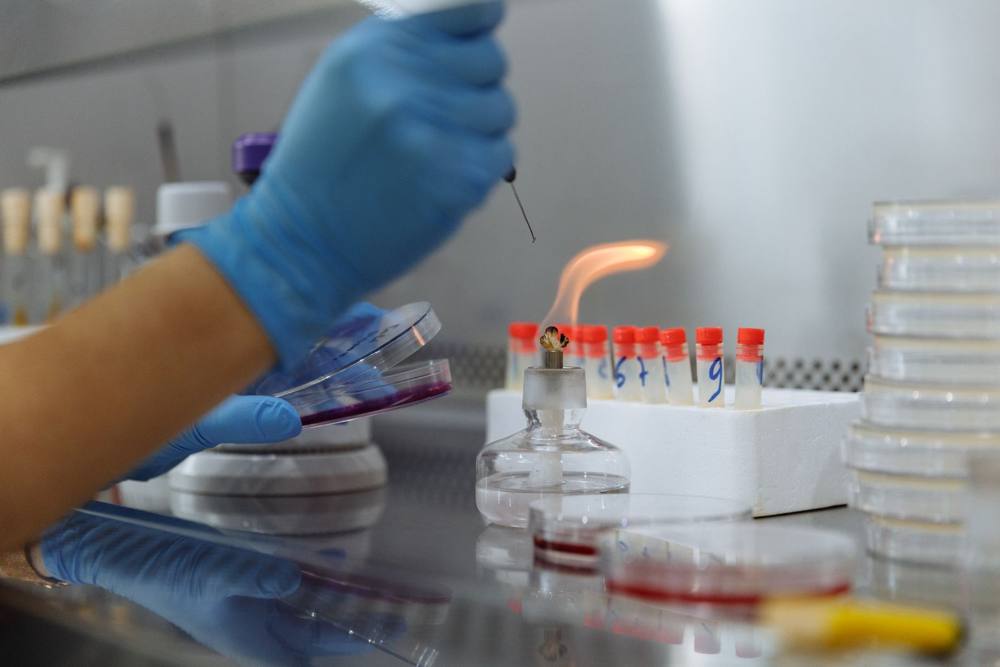
Hospital-based labs
Chemistry, hematology, microbiology, and POC running under one CLIA certificate and several CAP checklists at once.
Independent and reference labs
Analyzer volume and test menu breadth have outgrown the LIS's built-in rules.
Multi-site networks
Standardizing autoverification and middleware rules across sites running different analyzer fleets.
Labs facing an inspection
An audit trail and QC documentation that need structuring by discipline before the inspector arrives.
Molecular diagnostics and genetic-testing labs have a narrower, higher-throughput version of this problem, covered by the rest of our diagnostic labs practice. Clinical pathology's version is defined by discipline breadth, four or five distinct rule sets running under one roof, not one assay type at high volume.
Talk Through Your Lab's Discipline MixFrequently Asked Questions
What is clinical pathology, and how is it different from anatomic pathology?
Do you build middleware, or integrate with middleware a lab already has?
Which CAP checklists does this cover?
Can this integrate with our existing analyzers without replacing them?
What is CLSI AUTO10, and why does it matter for autoverification rules?
How is this different from your LIS/LIMS integration services page?
Do you work with labs outside genomics and molecular diagnostics?
Ready to Connect Your Clinical Pathology Systems?
A scoping call is a working conversation about your specific disciplines, analyzers, and CAP checklists, not a sales pitch. Tell us which disciplines you run and where autoverification rules are falling short today.
Book a Scoping CallTalk to engineers who build analyzer interfacing and autoverification rules to CLSI and CAP standards, not a team reading from a generic LIMS feature list.